
To teach a beginner to post the trot, put them on the lunge line, tell them to let the horse's motion lift them instead of pushing up with their legs, and count the rhythm out loud with them. Posting is a timing skill, not a strength skill. The rising trot also loads the horse's back less than the sitting trot.
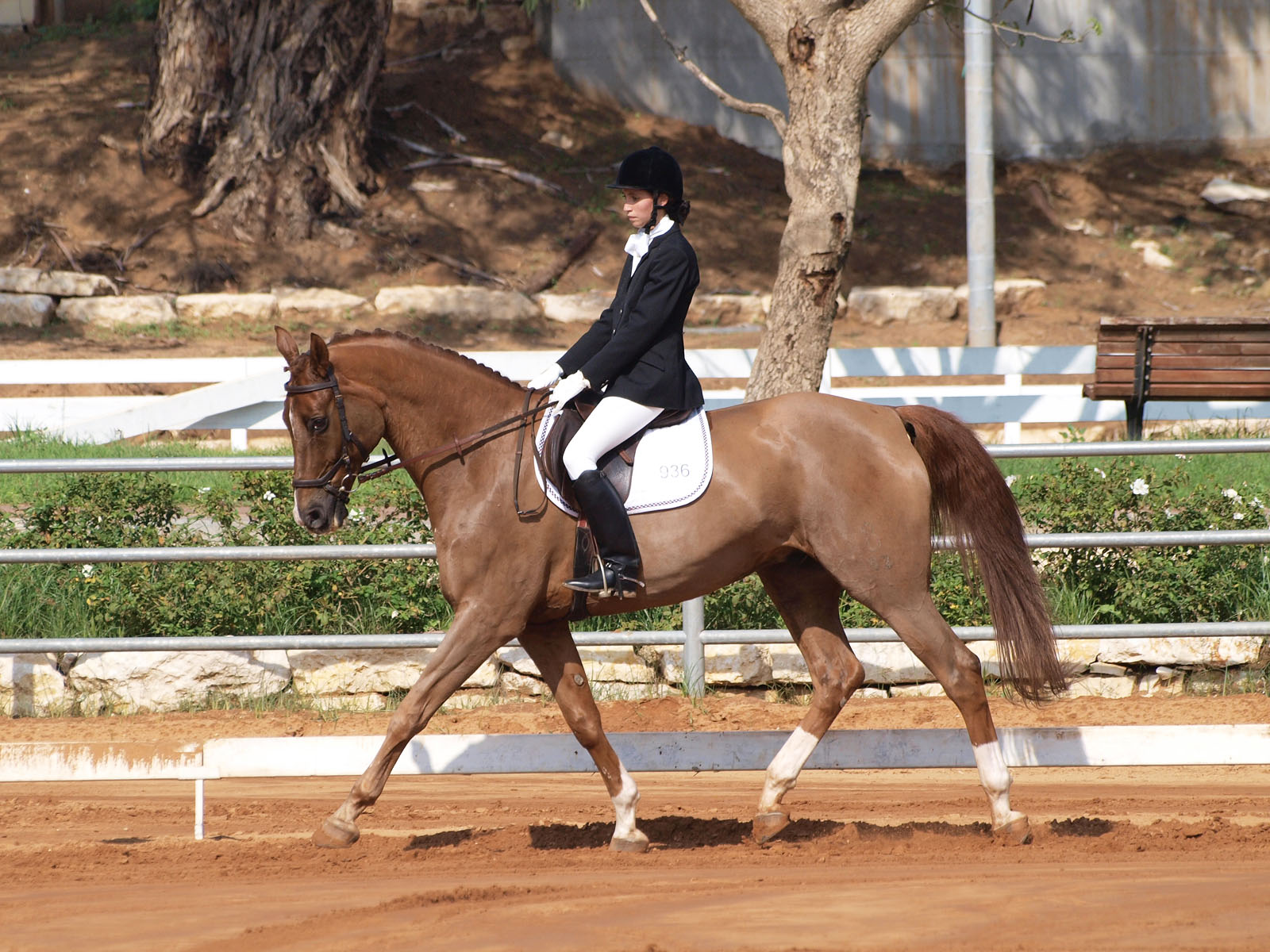
Posting is timing, not strength
Beginners treat posting like exercise. They try to stand up in the stirrups with their leg muscles, which is why they bounce: they push up and fall down, fighting the motion instead of riding it. Stronger legs will not fix this. The legs were never the problem.
Every trot stride has a moment when the motion throws the rider's seat up. Allow it, stay up half a beat, sit back softly. The horse does the lifting, and the bounce disappears the day the student trusts that instead of manufacturing it.
Rising trot spares the horse's back
Posting is kinder to the horse, and the numbers back it. One treadmill study on ten sound horses found peak back force lower in rising trot than sitting, with the rider steadier rising. Thirteen more riders showed the same, and pressure mats put saddle pressure about 3.1 kPa higher in the sitting phase than the standing phase.
A bouncing beginner is the worst version of the sitting phase. That is the real argument for the lunge line: the horse should not pay tuition for the rider's timing. If a horse has been carrying a bouncing beginner, check for soreness before the next lesson.
Take the steering away
A beginner posting in a group lesson does four jobs at once: steering, keeping the horse going, staying balanced, and learning a new motion. That is three too many. Nobody learns timing while keeping a horse on the rail.
The lunge line cuts it to one job: you control speed and direction while the student holds the pommel and thinks about nothing but the motion. Keep it slow on your quietest, flattest-moving horse. The slower the motion, the easier the upbeat is to feel.
Teach the diagonal before it becomes a habit
Rise with the outside shoulder: when the horse's outside foreleg swings forward, rise; when it goes back, sit. The USEF rulebook defines it the same way.
Students check by glancing at the outside shoulder; the feel comes later. Teach the check in the first lunge lesson, since a wrong diagonal must be unlearned. To change direction, sit one extra beat, then rise on the new outside shoulder.
Count it out loud
Rhythm lives in the voice before the body. Count "up, down" with the strides on the lunge, matching the actual motion even if it feels slow.
Then hand over the counting: saying "up" forces the brain to anticipate the rise instead of reacting late. The voice leads and the body follows. When the student counts steadily for a full circle, drop the voice: a student who posts while counting owns the timing, and one who cannot keep the count does not.
End on a good rep
Posting exhausts beginners, so use short efforts with rest: trot one long side, walk, praise something specific, trot again. "Your last three strides were perfect" tells the student what to repeat; "good" does not. Finish while they are still getting it right.
The single most useful thing: keep the student on the lunge line until posting is steady without counting. What is learned slowly on a circle holds up everywhere; then they are ready for the canter.