
The canter is the milestone every beginner asks about. With one lesson a week, expect your first canter in about two months.
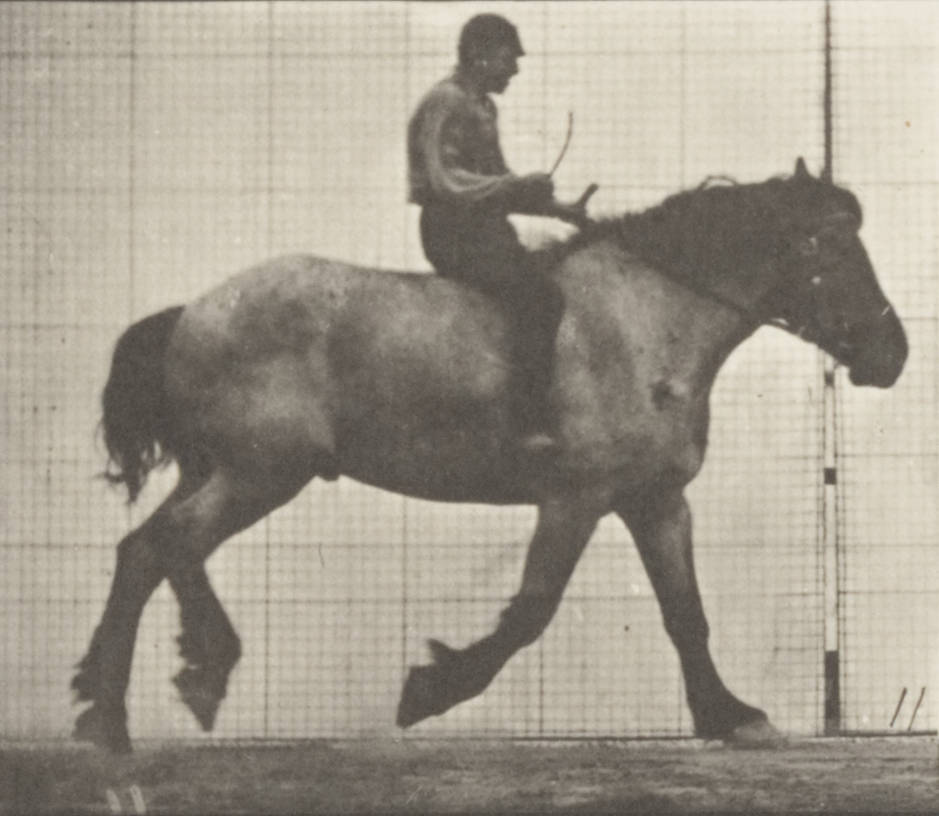
A fit adult needs about ten lessons to reach the canter
Overdale Equestrian Centre puts a number on it: a physically and mentally fit adult needs roughly ten private lessons to walk, halt, trot, canter, and steer in basic balance. That works out to about ten weeks on a once-a-week schedule.
Riding more than once a week shortens the count. Riding a school horse that knows its job shortens it too.
Your instructor is waiting for your trot, not your courage
Readiness has a checklist, and instructors check it the same way. You should be comfortable riding, turning, and stopping at the walk and trot. You should be posting the trot on the correct diagonal without thinking about it. You should be able to walk and trot short stretches with no stirrups, and you should be stretching down into your heels instead of pulling up with them.
The reason is mechanical. The canter cue asks your legs to do two different jobs at once: inside leg at the girth, outside leg behind it. A rider who cannot gently control and direct the horse at the trot has no base to work from at the canter, and a faster, less balanced gait punishes a weak seat.
Do not rush the wait. Some riders need more than a year at the slower gaits. In Europe it is normal for a beginner to spend a year or more only walking and trotting.
The first canter belongs on a lunge line
The best way to learn the canter is to take the steering and speed control out of your hands. On a lunge line, the trainer controls the horse's direction, pace, and gaits. You focus on one thing: your seat.
Grab mane or add a grab strap to your saddle. Keep your legs long, weight in your heels, and hips loose enough to swing with the motion. Ride transition after transition, up into canter and back down to trot. The repetition is what teaches your body the movement, and a relaxed body is what lets the horse transition smoothly instead of lurching.
The cue is simpler than it feels
Slide your outside leg back a few inches behind the girth and press your lower leg into the horse's barrel. That leg pressure tells the horse to push off with the outside hind leg, which starts the canter sequence.
One rule matters more than the cue itself: never ride a faster and faster trot hoping the horse will break into a canter. Chasing a horse into a gait teaches it to rush upward transitions and resist downward ones, which becomes a problem every time you want to slow down.
Once the cue is understood, the canter usually becomes a rider's favorite gait. One 2016 study noted that experienced riders move their torsos less at the canter than beginners do. The rocking motion is the same; the rider's fight against it is what fades.