
Your horse rushes jumps because speed is the fastest way across a fence when balance or nerve runs short. A horse that cannot push evenly off both hind legs borrows momentum instead. The fix is flatwork and small fences, not a stronger bit. Pulling on the approach makes the problem worse.
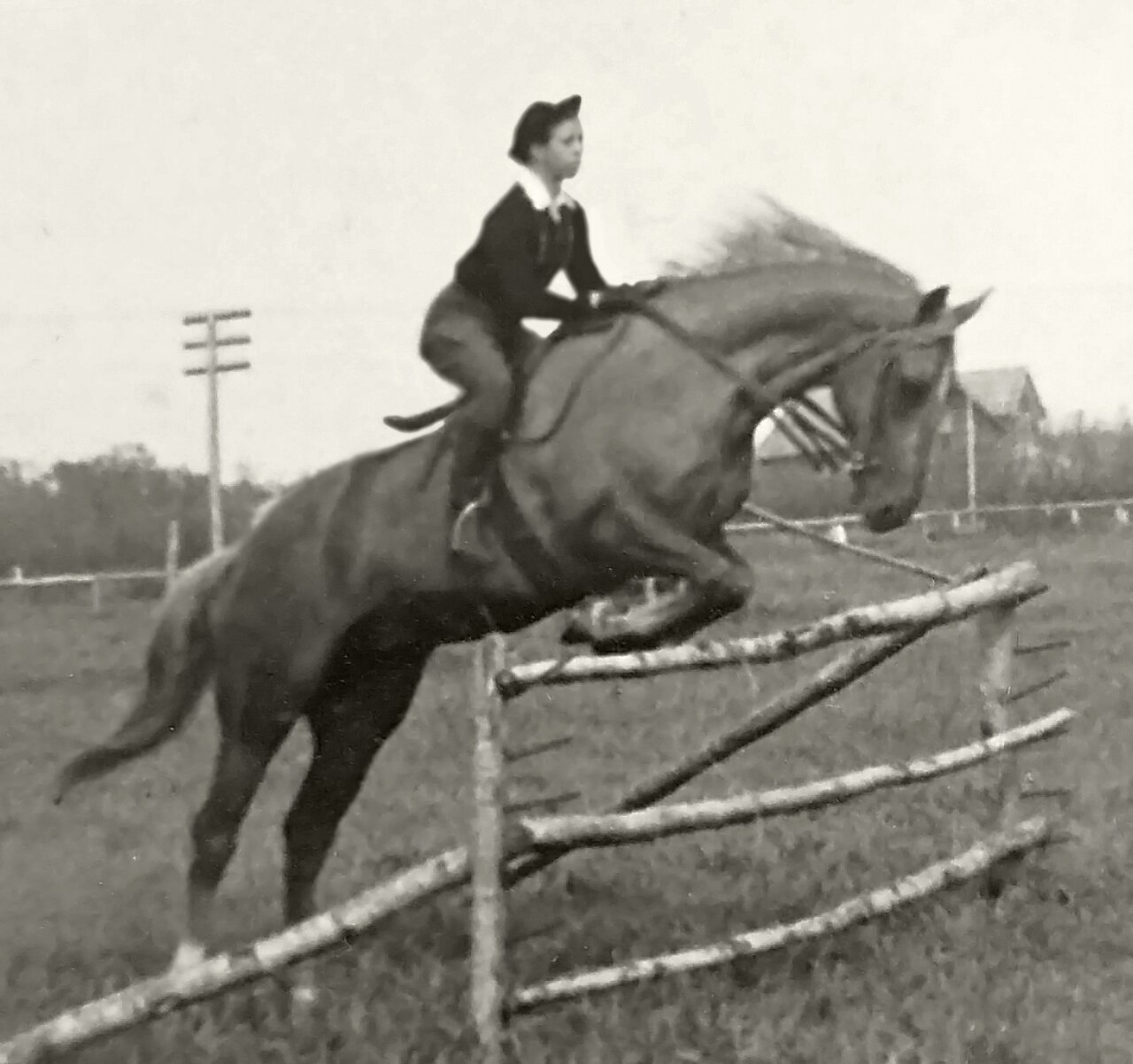
Speed covers for a horse that cannot push straight
Practical Horseman puts the cause plainly: a crooked or unbalanced horse lacks the strength to carry its weight evenly on both hind legs. Without that push, it cannot clear the fence with confidence, so it uses speed to get to the other side. A straight horse travels on two tracks, each hind foot following its forefoot, and accepts equal contact on both reins.
If he drifts to one side, leans on one rein, or quickens in the last three strides, the approach is telling you where the balance went. The fence did not cause the rush. The flatwork before it did. Posting trot work builds the straightness a horse needs before the jumps get big.
Pulling back teaches him to run harder
Doug Payne explains the trap. When a rider hauls on the reins to slow a rushing horse, the horse reads the restriction as a threat to his jump. He cannot tell whether he will clear the fence without hitting it with his hind end, so he speeds up at the last moment to leave room. The harder the rider pulls, the faster the horse goes.
Let the horse go to the fence at a slightly increased pace and change the shape of the exercise instead of the speed. Payne's fix: jump a simple vertical on a 20-meter circle, and the moment the horse rushes, turn him onto the circle after the fence. The turn takes the speed out without a fight over the reins.
The fix starts on the flat, not at the fence
Trainer Krystalle Glosser traces rushing to a lack of core strength and a horse that never learned to use its body over a fence. Her sequence runs flatwork first, then poles, cavaletti, and trot jumps, so the horse can slow its brain down and process the job. Do not raise the height or add width until the horse feels fit and confident at the level it has.
Ground rails teach tempo without the pressure of a fence. Trot a line of poles, bring the horse back to a trot or a walk before a small fence, and let the transition do the slowing. Rushing that starts after a horse used to jump quietly is a different case. Check for soreness and call the vet before you retrain anything.
Your tension is part of the pattern
Payne's second cause sits in the saddle. A nervous rider tightens the legs and stiffens the body as the fence gets closer. The horse feels the grip and reads it as a signal to go.
Take a lesson on a quiet, experienced horse and work on your own position while the horse takes care of the fence. A horse that rushes because you are tense will stop rushing when you stop bracing.
Next ride, leave the fences up and put the poles on the ground. Trot them until the rhythm holds without your hands doing the work. The horse that walks calmly to a pole will canter calmly to a fence.