
A 1,000-pound horse at rest drinks about 10 to 12 gallons of water a day. That is two full five-gallon buckets, gone by nightfall. Work, heat, and a dry hay diet push the number higher. Winter pushes it the other way: the horse drinks less just when dry feed demands more.
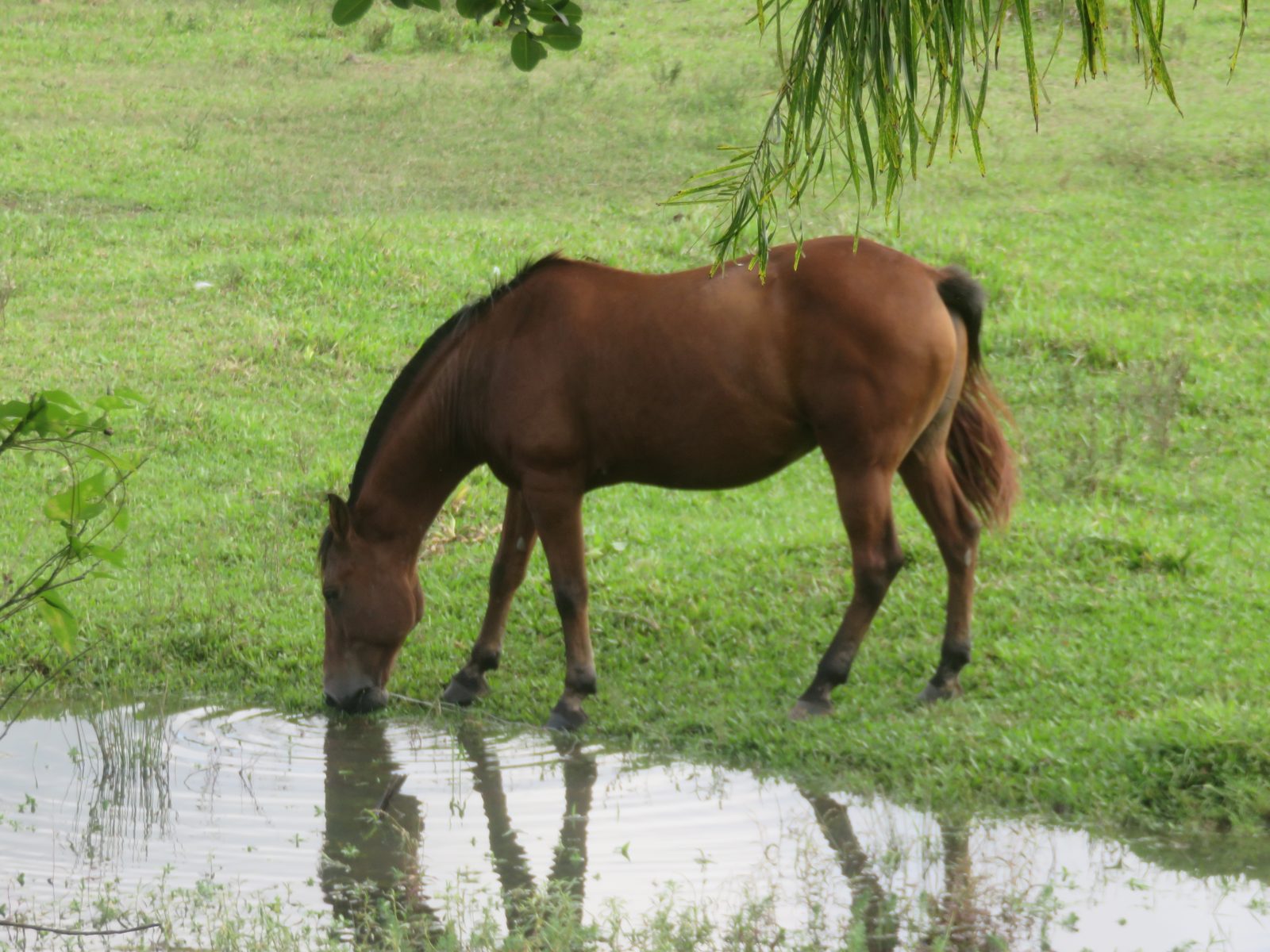
Ten gallons is the planning number, not a promise
Body weight sets the baseline. Iowa State Extension puts an idle 1,100-pound horse at 6 to 9 gallons in mild weather, while Extension Horses lists 10 to 12 gallons for a 500-kilogram horse at rest. The spread comes from diet and weather, so plan on 10 to 12 and watch the bucket, not the chart.
Heat and work change the math fast. Heavy work in hot, humid weather can double or triple intake to 12 to 18 gallons a day. A lactating mare needs 14 to 21 gallons. A horse coming off a trailer after a long summer haul can drink half a bucket in one go and come back for more.
Cold water is the winter problem
Horses drink less when the water nears freezing, and vets see more impaction colic in cold weather for that reason. Researchers at the University of Pennsylvania found ponies drank 40 percent more water in winter when it was heated to about 66 degrees, but only when warm water was the only choice. Given both warm and cold water, the ponies picked the cold water and drank less overall.
The fix is warm water with nothing else to choose from. Keep the water between 45 and 65 degrees. Most of the drinking happens within three hours of feeding, so top the water off at feed time. The Farm Innovators HT-200 16-gallon heated bucket holds a full day for one horse and runs on a thermostat, so it only heats when the temperature drops.
Hay makes a horse thirstier than pasture does
A horse on lush spring pasture gets a large share of its water from the grass itself and may barely touch the trough. Switch that horse to dry hay in November and intake jumps: horses on all-hay diets drink more than horses on mixed hay and grain. That is why the water problem shows up in winter, right when how much hay a horse needs in winter goes up.
Salt keeps the thirst signal honest. University of Minnesota Extension suggests 1 to 2 ounces of salt a day for an adult horse. A horse short on salt drinks less, and a horse that drinks less eats less, which is how a water problem turns into a colic call. Ulcers get the attention, but a dry gut from low water intake causes its own trouble.
Mark the bucket. Fill it to the same line every morning and check it at night. A horse that leaves half a bucket untouched in December is telling you something, and the fix costs less than the vet visit it prevents.