
On Friday, British Eventing opened its safety review to everyone who has ever stood at a cross-country fence and worried. Its independent safety commission launched a public consultation, and it wants answers from riders, grooms, coaches, volunteers, officials, and organizers at every level. The short version takes about 15 minutes. The deadline is December 23.
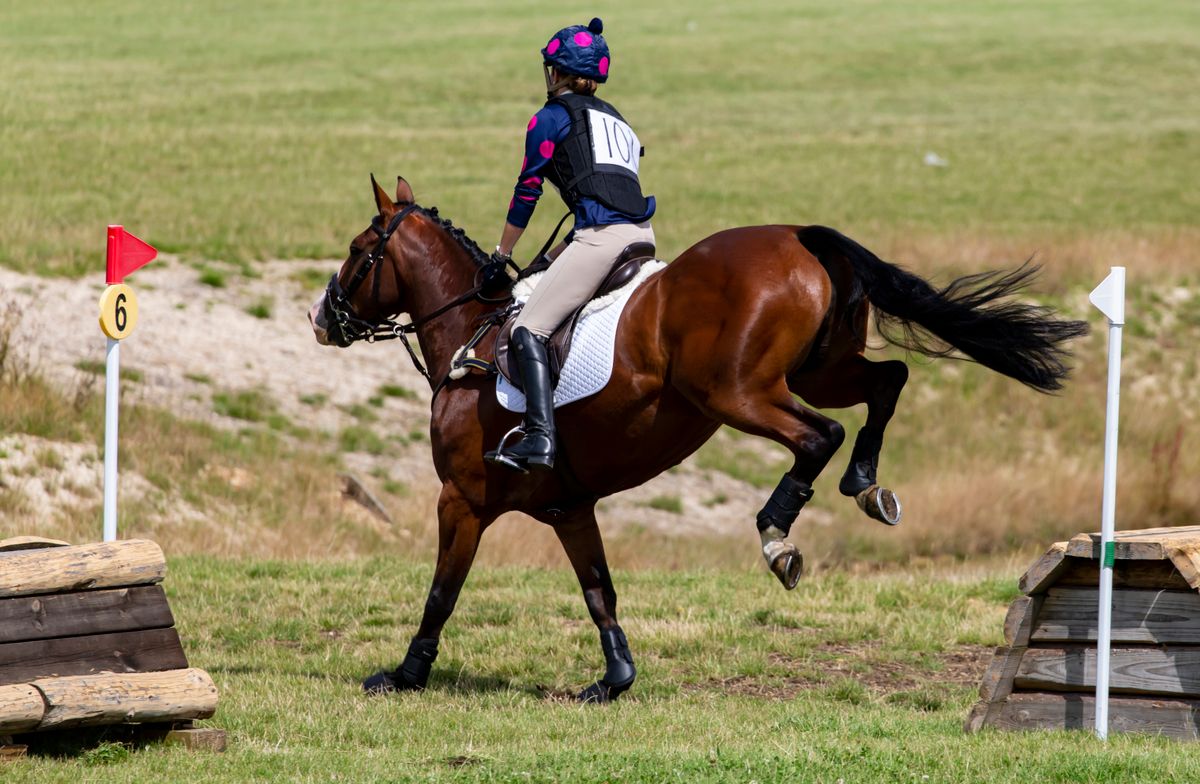
The commission follows two serious incidents this season
British Eventing announced the commission in late October, the first independent look at safety in the sport since 2018. It follows several serious incidents in recent years, including two during the 2026 season. The commission is chaired by Dame Caroline Spelman, a former cabinet minister, and most of its members come from outside eventing: medicine, research, risk management, and other sports.
Its remit runs wide. The commission will examine five seasons of incident data, including British Eventing's EquiRatings risk analysis, and look at course design, rider and horse preparation, training, veterinary cover, and new technology. It will not reinvestigate individual incidents or assign blame. It reports within six months, with findings and prioritized recommendations.
Anyone in the sport can answer, and answers stay private
The consultation runs as an online survey. A short version covering two chapters takes about 15 minutes; the full version takes about an hour. Responses go to the independent commission only, are not linked to membership records, and can be anonymous. The commission will also hold small group discussions and evidence sessions in early December. People who were seriously injured, or who lost a family member, can speak to the commission privately instead of filling in a form.
What it could change for trainers and coaches
Safety reviews in eventing have a record of changing the sport. The last big reckoning was the Hartington Report in April 2000, and the measures that followed it reshaped the sport: frangible pins on suitable fences, fence-by-fence recording, and annual audits of fence data. This commission has the same breadth. Its findings could touch course design standards, how riders qualify for a level, and when a rider gets referred for extra coaching.
For trainers, that means the way you prepare a horse and rider for cross-country could change on the basis of what this commission recommends. The FEI helped set the commission up, so its findings will be read well beyond Britain. Enforcement already ends careers when welfare rules are broken, as the lifetime ban handed to a Wellington trainer showed. A review like this one decides where the lines get drawn next.
If you event, answer the survey. The short version takes 15 minutes, and the deadline is December 23. Public comment is shaping the rules on both sides of the Atlantic right now: the USDA reopened its soring rule for comment the same week.