
Today the U.S. Department of Agriculture opened a 30-day comment period on a new proposed rule under the Horse Protection Act. The window runs Nov. 13 through Dec. 14, and anyone who shows, trains, owns, or manages horses can weigh in at regulations.gov under docket APHIS-2026-0067. It decides how the federal government inspects horses at shows, sales, and exhibitions.
The rule targets soring
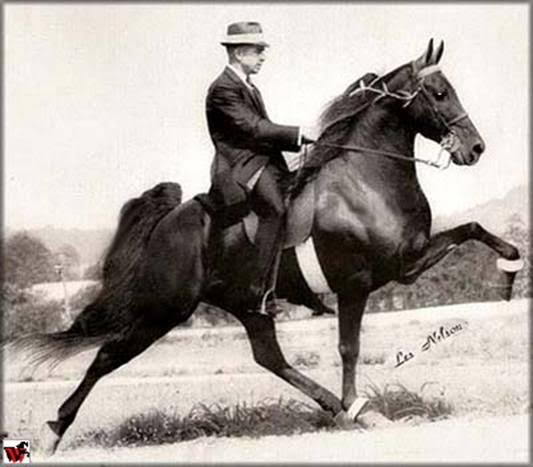
Soring is the practice of injuring a horse's legs and feet with caustic chemicals, chains, or pressure to force the high-stepping gait called the Big Lick. The Horse Protection Act has banned sored horses from shows, exhibitions, sales, and auctions since 1970. Enforcement has focused on Tennessee Walking Horses, Spotted Saddle Horses, and racking horses, but the law covers every breed and discipline.
Two changes matter most on show day
The proposal makes seven changes. Two of them change what happens at the inspection line. First, masking agents would be banned outright: the sedatives and numbing creams used to hide soring evidence from an inspector. Second, no horse gets flagged on one inspector's call alone. Two USDA veterinarians must inspect independently and agree before the owner is notified of a violation.
The package also sets standards for third-party inspectors, drops the old "scar rule" after a court found it went beyond the law, and creates an immediate appeal to a neutral official at the event. Under the old setup, a trainer sent home on a disputed call had to fight it after the fact.
This is the third draft in two years
USDA published a final rule in May 2024, then delayed it four times. In January 2025, a federal judge in Texas ruled USDA had gone beyond its authority on four of five challenged provisions, including bans on action devices, pads, and substances. An earlier comment period drew more than 6,100 comments, many asking USDA to withdraw or rewrite the rule.
This proposal removes the provisions the court struck down and withdraws the rest of the 2024 rule, starting over with a narrower version built to survive a court challenge.
What it means for your barn
If you show, the inspection regime is what touches you. Stronger tools against soring help honest trainers, since a sored horse in the class steals ribbons from a sound one. The two-vet rule and the on-site appeal cut the other way, in the trainer's favor: a bad call gets checked at the show instead of in a hearing months later. The same pressure is reshaping the rest of the sport: USEF's hair testing has found zero euthanasia-drug positives since it began.
Event managers should watch the calendar. Under the separate final-rule timetable, managers must notify USDA at least 30 days ahead of an event once the new framework takes effect Dec. 31, 2026. Every horse at a USEF show also needs a microchip on file by Dec. 1.
The comment period runs Nov. 13 to Dec. 14. Search docket APHIS-2026-0067 at regulations.gov, or mail comments to APHIS in Beltsville, Maryland. The last round drew 6,100 comments. This one decides what the rule looks like when it takes effect.