
Horses do not need shoes by default. A horse needs shoes when its hooves wear down faster than they grow, when it needs extra traction, or when a vet and farrier are treating a problem. On soft ground with light work and a trim every few weeks, most horses do fine barefoot.
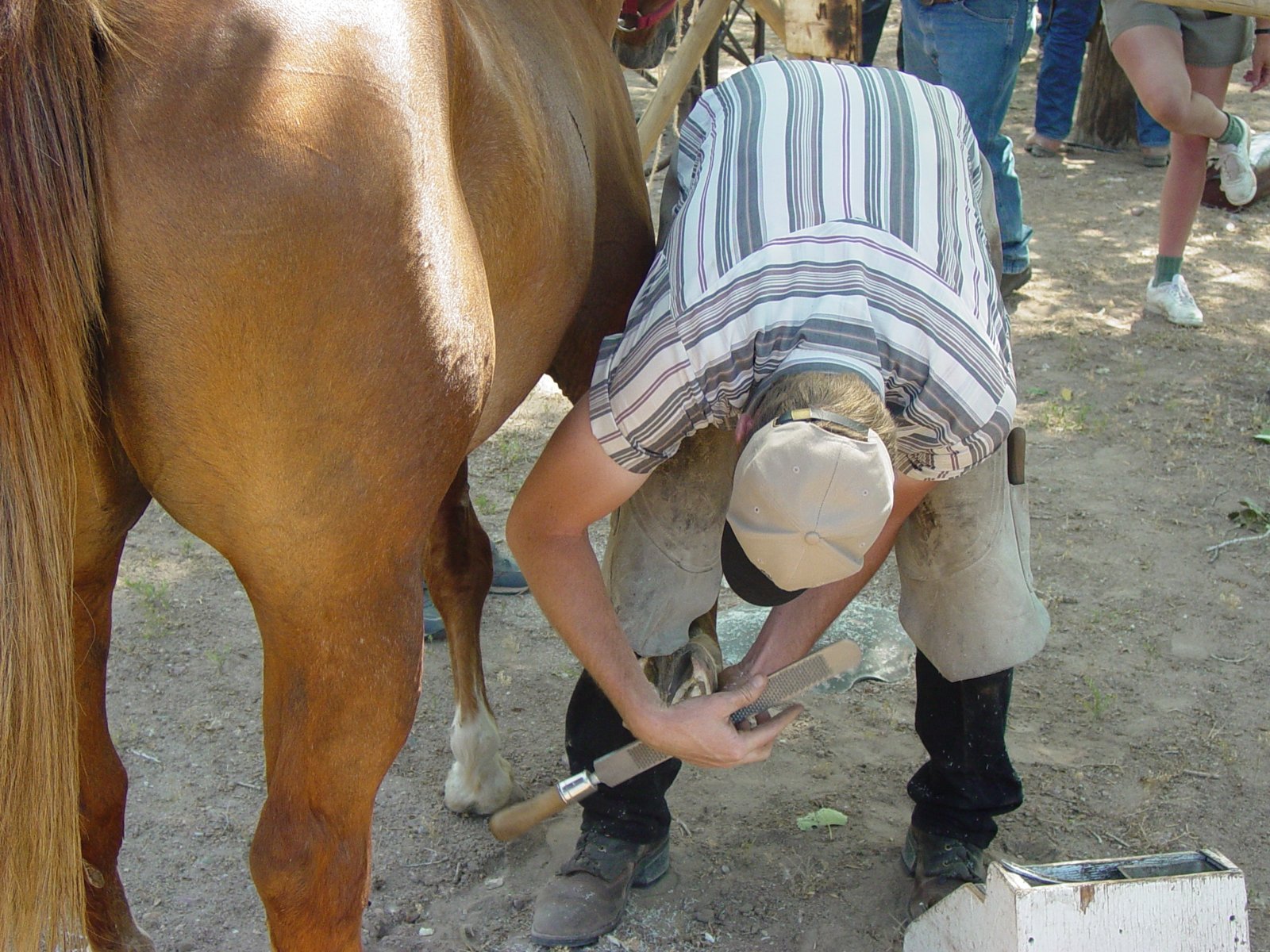
Shoes exist for three jobs
Protection comes first. Hoof wall grows all the time, and on soft pasture growth keeps pace with wear. Put that horse to work on pavement or rocky trails and wear wins. The wall gets thin, the sole bruises, the horse goes sore. A steel shoe takes the beating instead of the hoof.
Traction comes second. A bare hoof slips on wet grass and hard-packed arena ground. Shoes grip better, and a farrier can add studs or borium for ice and turf. Plenty of horses get shod for traction alone.
Therapy comes third. Laminitis, navicular pain, white line disease. A shoe can change how force moves through the foot while the horse heals. That is prescription work, decided with a vet.
A barefoot hoof works the way it evolved to
An unshod hoof flexes when it hits the ground, and that flex pumps blood through the foot. Dr. Thomas Lenz, writing for AQHA, points to the normal expansion and contraction of the bare foot moving blood in and out. A nailed-on shoe limits that movement.
Shape changes too. Shod hooves tend to grow underrun heels, the heel angle collapsing forward under the foot. Barefoot horses keep steeper, stronger heels, which takes stress off the navicular bone.
Lenz also flags young horses. Shoes often go on when training starts around age two, while the hoof capsule is still immature. The foot loses ground contact and stops getting the stimulation it needs to finish developing. Farrier-vet Stephen O'Grady is blunter: we put shoes on youngsters too early, and usually it is not necessary.
Going barefoot is a transition, not a Tuesday decision
Pulling the shoes off a horse that wore them for years and turning it out on gravel is a recipe for a lame horse. O'Grady recommends a 30 to 90 day transition while the sole thickens and the hoof hardens. Ride forgiving ground during that window, and watch for soreness. A sore horse shows it in the face first.
Hoof boots bridge the gap. They go on for the rocky trail and come off in the pasture, so the hoof keeps working barefoot the rest of the time. The Cavallo Trek hoof boot is a proven option, with a Pro Mesh upper and velcro closure. Measure the hoof before ordering. Fit decides everything.
The trim schedule does not relax when the shoes come off. Every four to six weeks, shod or barefoot. Winter changes the traction math, and ice calls for its own plan.
Compare wear to growth. If the hoof keeps up with the work, spend the shoeing money on trims every five weeks. If the wall disappears faster than it grows, call the farrier. The hoof tells you what it needs.