
Your horse licks and chews when tension leaves its body. Trainers call it the moment a horse "processes" a lesson. The research says otherwise. The behavior shows up when stress drops, not when understanding arrives. It is a relief signal, and reading it right changes how you train.
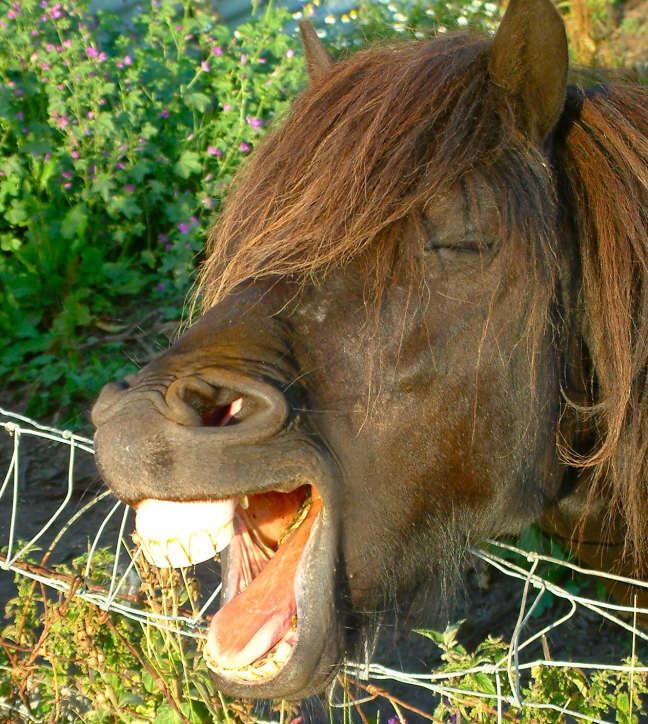
The lick follows the release, not the lesson
The pattern repeats across training sessions. Pressure goes on, the horse finds the answer, pressure comes off, and the mouth starts moving. The lick tracks the release. In round-pen work, researchers watched horses chased until they showed these behaviors, and then the handler went still. The horse had not bowed to a leader. It had found the off switch for the chase. Warren-Smith and McGreevy documented this in 2008.
The same behavior shows up in dogs after a stressful event. That points to a shared mechanism, not a horse-specific signal of understanding. Licking and chewing also appear in horses standing relaxed in a field, with no lesson anywhere near them. The mouth movement means the nervous system is settling. What it settles from is the question.
Stress changes the mouth, and chewing resets it
Adrenaline surges during hard work and changes saliva flow. Researchers at the Norwegian University of Life Sciences studied just under 200 horses and found non-nutritive chewing happened most after tense situations, likely because the horses' mouths had gone dry. Chewing restarts saliva flow and gets the mouth working normally again.
That is a body doing maintenance, not a mind filing away a lesson. The lick and chew is the horse returning to its baseline. Trainers who treat it as proof of learning can fool themselves into pushing harder, chasing the next lick as if it were a grade. The horse is telling you the pressure stopped. It is not telling you the lesson landed.
A calm horse learns, and the lick marks the calm
The confusion survives because the two things overlap. A horse that has just settled is in the state where learning sticks, so the lick and the lesson land in the same minute. The behavior marks the state, not the content. If your horse licks and chews while dozing in the sun, nothing was learned. It was resting. The test is the context, and the context is the minutes before the mouth started moving.
This is the same skill as reading other small signs. The face gives away pain before the body does, and the mouth gives away tension before the feet do. Both reward a rider who watches the horse instead of the clock.
Watch what comes before the lick
If the lick only appears after hard pressure, your training leans on stress more than you think. Ease the pressure earlier, ask for less at once, and give the release sooner. The same pressure and release pattern teaches a horse to load, and it works best when the release comes fast. If the horse licks and chews during quiet grooming, that is a relaxed horse, and nothing needs fixing. The mouth is a gauge. Read the minutes before it, not the movement alone.