
You know the sound. Three strides from the arena gate your horse's head comes up, ears pricked toward the barn, and then it starts: the screaming. Not a nicker, a scream, long and raw, answered from the pasture. At the mounting block he spins. On the trail he is fine until you turn for home, and then he is a freight train. A buddy-sour horse is not misbehaving. He is panicking, and getting after him has never fixed a panicking horse.
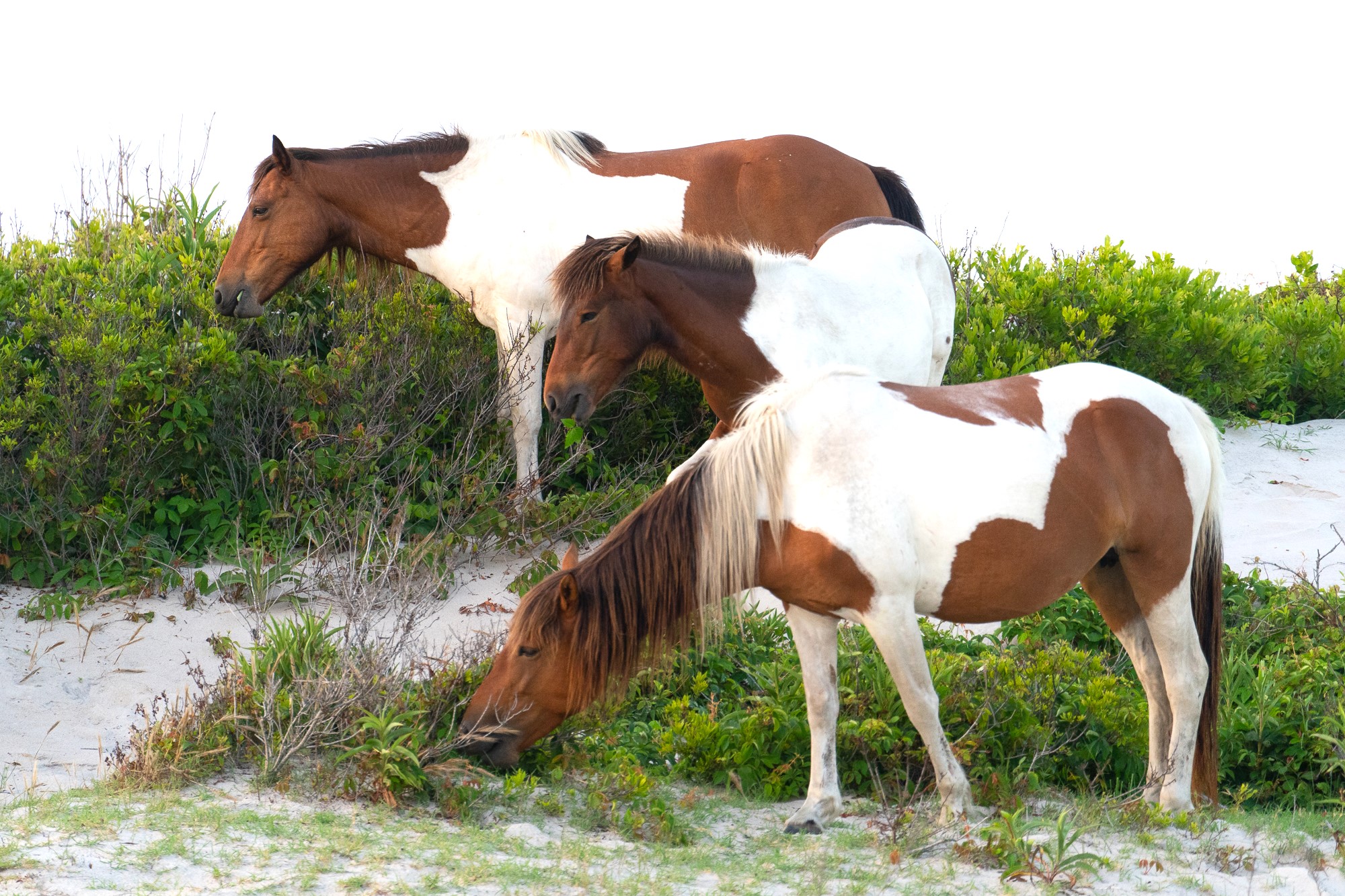
He is not being rude. He is terrified of being alone.
A horse is a prey animal whose entire survival plan for fifty million years has been stay with the herd or die. When your horse loses his mind leaving the barn, his nervous system is running that same program. Alone means eaten.
Watch the body and you will see the difference between attitude and panic. The calling is only the loudest part. Sweat dark between the hind legs. A pulse you can see hammering in the flank. Spinning to face the barn. Bolting back toward it the second the reins go slack. Those are fear signs, not disrespect.
This is why the usual response fails. Smacking a horse that is terrified of leaving confirms the only lesson he is capable of learning in that moment: leaving the herd is dangerous, and now the rider is dangerous too. You cannot punish out a panic response. You can only replace it, one calm repetition at a time.
Make the buddy the hard place and alone the easy place
Horses learn from the release of pressure, and they remember where they got to rest. Most riders set this up backward. They let the horse stand and doze next to his buddy, then pick a fight dragging him away. The horse learns the buddy is the rest stop and leaving is war. Every session rehearses the wrong answer.
Flip it. In the arena, make the end nearest the buddy, or the barn, or the other horses, the place where work happens. Trot circles. Transitions. Real effort for two or three minutes. Then walk him to the far end, the lonely end, and let him stand on a loose rein. Scratch his withers. Let him breathe for a full minute.
Do that five times and most horses start volunteering for the far end. You are not arguing with the fear. You are making the math obvious: work happens near the buddy, rest happens away from it. The horse starts choosing the quiet place on his own, which is the only kind of fix that holds when you are a mile from home.
Expand the circle a little at a time, and quit before the panic
The classic mistake is riding a mile out on day one, getting the freight-train ride home, and calling it a training session. All the horse learned is that leaving ends in terror and coming back ends in relief. That is the exact opposite of the lesson, and every repetition carves it deeper.
Ride away from the barn in expanding loops instead. Day one, go fifty yards past the gate, turn around, and ride home like nothing happened. Day two, a hundred yards. The rule is simple: turn for home while the horse is still thinking, before he gets upset. Every calm departure and calm return is a deposit. One panicked bolt withdraws ten deposits.
For the horse that is already explosive, start on the ground. Lead him thirty feet from his buddy, let him graze, lead him back. Then sixty feet. Then lunge him at a hundred feet, calm feet moving at a distance. The feet moving quietly away from the herd is the whole lesson, and it does not require a saddle.
The barn routine is half the problem
A horse that is never alone will never be okay alone, and most buddy-sour horses live in routines that guarantee it. Same pasture buddy twenty-four seven. Always ridden with the same friend. Trailered with company. Turned out in the same pair every day. The owner rehearses dependence all week and acts surprised at the performance on Saturday.
Break the pattern in small, boring ways. Rotate pasture buddies so no single bond becomes load-bearing. Tie him alone for grooming while his friend is across the aisle, not next to him. Feed him his grain tied by himself while the others eat in the pasture. Trailer him solo to a lesson down the road once in a while.
None of it is dramatic, and that is the point. A horse that spends a little time alone every day, in ways that always end fine, stops treating separation like an emergency. The trail ride where he walks out quiet on a loose rein starts in the barn aisle weeks earlier, standing tied by himself with a hay net, learning that alone is just another part of the day.