
This week, a USDA lab confirmed vesicular stomatitis on a horse premises in San Juan County, New Mexico. It is the fifth county in the state to turn up positive in an outbreak that began in Arizona in October 2025, and the count now stands at 52 affected premises across Arizona, Colorado, and New Mexico. The last time this disease swept the United States, in 2023-24, it hit 319 premises in California, Nevada, and Texas.
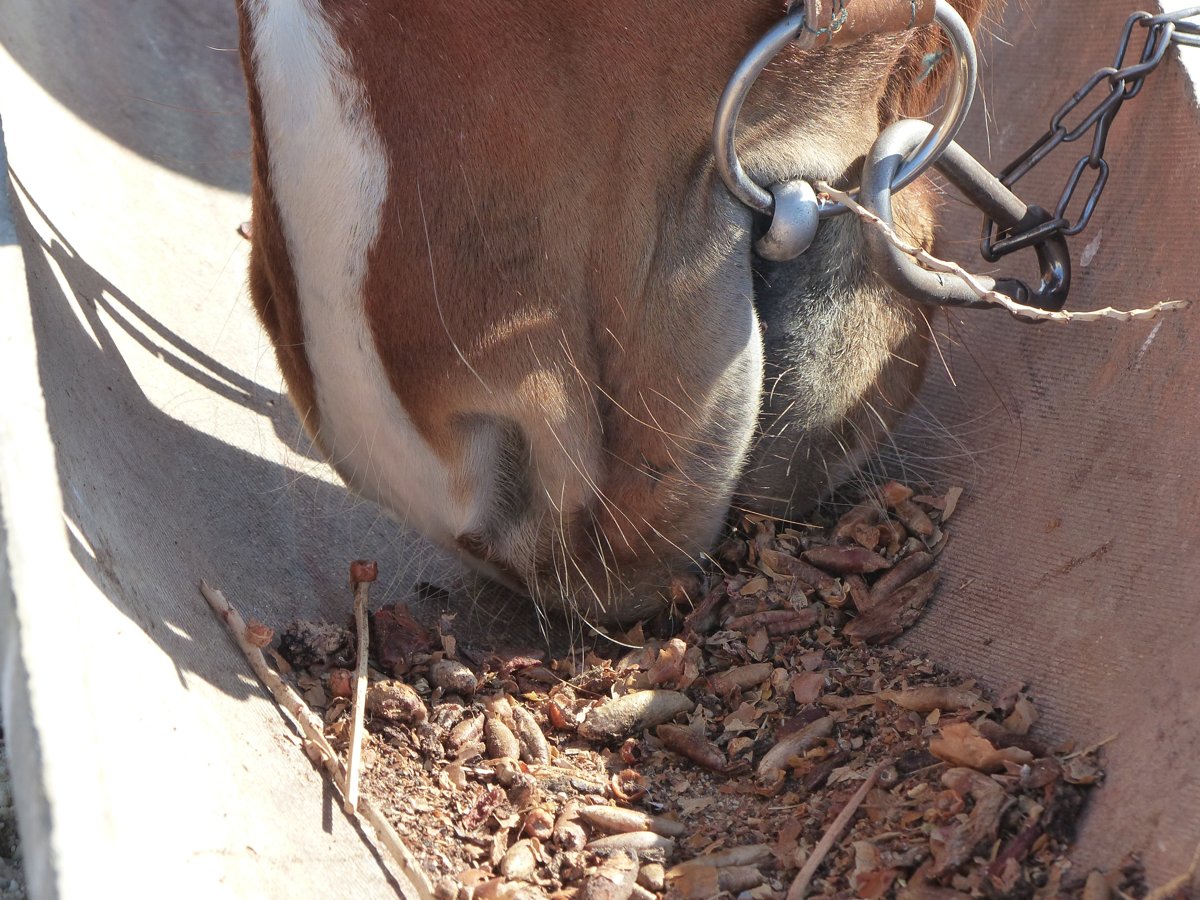
The blisters show up where the horse eats and walks
Vesicular stomatitis is a viral disease of horses, cattle, swine, and camelids. It earns its name from the blisters it raises: on the lips, muzzle, nostrils, and tongue, and around the coronary band at the top of the hoof. The tongue is often the worst of it. The blisters break into raw ulcers, the horse drools, and picking up feed hurts too much to bother. Blisters on the coronary band lame the horse.
There is no drug that kills the virus. A vet treats the pain and waits for the horse to heal. What stops the spread is quarantine: every affected animal gets isolated, and the premises stays quarantined until the horses have recovered and no active lesions remain. A vet who suspects a case has to report it to state and federal officials, who direct the testing.
Midges carry it, so pasture horses catch it first
The virus travels on biting midges, which makes it seasonal and hard to fence out. Horses on pasture carry the higher risk. A barn horse under a roof with fans is a harder target than one standing in a damp pasture at dusk, where the midges feed.
The disease does not need a trailer to move. It needs warm weather, standing water, and a midge. San Juan County is the newest name on the list, after Rio Arriba, Sandoval, Santa Fe, and Valencia. Sixteen of the 52 affected premises are in New Mexico, and every one of them has been a horse premises.
A sore mouth stops the season, not just the horse
For the people who haul horses, the timing is the problem. Fall is when show circuits shift south and winter boarders move, and a quarantine order stops all of it. No horses in, none out, no trailer to the show the client has been pointing toward all season. The farrier and the vet still have to come, and they come last, with disinfected boots and hands. One Florida barn learned the shape of that bill in October, when a single strangles case locked down 75 horses.
USDA inspections at licensed shows already check arriving horses for wounds and lesions, a system tightened this fall for screwworm. A horse with a blistered mouth or a raw coronary band will not pass, and a barn that hauls one in risks the whole showground.
Check the mouth before you load the trailer
Look inside the lips and under the tongue, and run a finger along the coronary band. A horse that drops feed, drools, or goes suddenly sore on a foot it stood sound on yesterday needs a vet before it needs a trailer. Take temperatures twice a day on a property with a case nearby, and keep a log.
Keep the midges down where you can. Fans in the stalls, fly spray, no standing water near the barn, and horses brought in at dusk, when the midges feed hardest. It narrows the odds, and with a disease that moves county by county on insect wings, narrow odds are what you have.