
Reese Dorsey spent last week at Midway University in Kentucky riding two horses she had never sat on, mucking stalls, answering quiz questions about stable management, and being watched every minute. On Sunday she was named champion of the 2026 MZ Farms/USHJA Emerging Athletes Program National Training Session. She works as a groom at Spy Coast Farm. She beat riders with bigger show records and better horses, and she did it by knowing the horse underneath her.
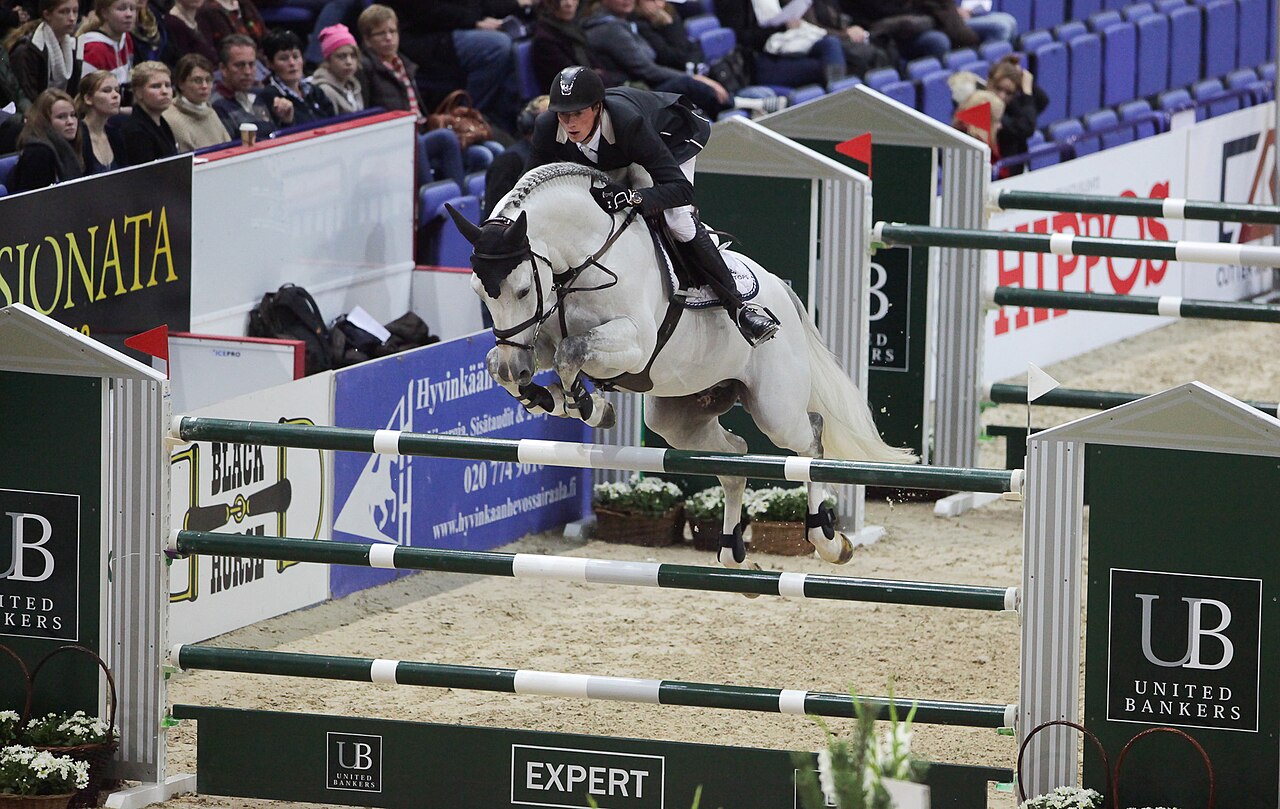
The final test used a horse she had never ridden
Dorsey spent the week on Boris, assigned to her at the start of the session. For the final test she rode Dante, a different horse entirely. The committee chair, Amy Center, said the test made Dorsey rise to the top because she adapted to the new horse quickly and with finesse. Stable manager Colleen Reed put it plainer: Dorsey was consistent in the barn all week, then got on a horse she had never ridden and made it work.
That is the skill the program exists to find. Any rider can look good on a horse they know. A working rider gets on strange horses all day, and the good ones figure each one out in the first five minutes. Dorsey had spent the year doing exactly that, riding as many horses as she could after the regional session, and it showed in the one place it mattered.
The quiz matters as much as the riding
Lead clinician Joe Fargis, an Olympic veteran, praised the horsemanship part of the program most of all. He said the quiz and the stable work matter because too many riders get on a horse without knowing what is underneath them, and he wished more riders took part.
The program grades stable management, sportsmanship, professionalism, and how riders treat the horses, alongside the riding. Dorsey took home a $3,000 grant toward advanced training. Reserve champion Molly McKeon of Laguna Niguel, California, took $1,500. The stable managers got their own awards, including Regan Stanley's $1,000 grant for her care of the horses.
What this means for lesson barns
Instructors run the programs that produce riders like Dorsey. The riders who won were not the ones with the most saddle time. They were the ones who had done the barn work, learned the horse care, and ridden a lot of different horses.
The same week, adult amateurs carried the U.S. Dressage Finals in Wilmington, Ohio, and the young riders at Midway showed the same thing from the other end of the sport: the barn work decides who wins. A lesson program built only around riding a school horse in a weekly lesson cannot teach that. The programs that keep students, and turn them into horsepeople, put students on different horses, hand them real barn jobs, and test what they know off the horse.
Dorsey is a Midway University student, captain of its IHSA hunt seat team, and a working groom. Her next step is a professional career bringing along young horses, and the program just handed her $3,000 to get there. Teach the whole horse, from the stall to the saddle.
If you teach, add one stable-management task and one unfamiliar horse to every student's week. That is what the judges at Midway were scoring, and it is what the winner had spent a year practicing.